Traveling to Vietnam with Children: Visa and Entry Requirements

Traveling to Vietnam with children can be a wonderful and rewarding experience. However, it is important to be aware of the visa and entry requirements for children to ensure a smooth and hassle-free trip. This guide will provide you with all the information you need to know about traveling to Vietnam with children.
Do Children Need a Visa for Vietnam?

Yes, children of all ages need a visa to enter Vietnam, unless they are from a country that is exempt from a visa. The visa exemption rules for children are the same as for adults.
How to Apply for a Visa for a Child

You can apply for a visa for a child in the same way that you would apply for a visa for an adult. You can apply for a visa at a Vietnamese embassy or consulate in your home country, or you can apply for an e-visa online.
E-Visa for Children

Children are eligible to apply for a Vietnam e-visa. The application process is the same as for adults, but you will need to provide a copy of the child’s birth certificate in addition to the other required documents.
Other Entry Requirements
In addition to a visa, you will also need to have the following documents for your child when you enter Vietnam:
A valid passport with at least six months of validity from the date of your entry into Vietnam.
A copy of the child’s birth certificate.
A letter of consent from the other parent if you are traveling with the child alone.

Conclusion
By being aware of the visa and entry requirements for children, you can ensure a smooth and hassle-free trip to Vietnam with your family. Remember to apply for your child’s visa in advance of your trip and to have all the required documents with you when you travel.
Con Dao Islands, an archipelago of 16 islands off the southeastern coast of Vietnam, is a hidden gem that is just waiting to be discovered. With its pristine beaches, crystal-clear waters, and rich history, Con Dao offers a unique and unforgettable travel experience. This guide will help you explore the best of what this beautiful archipelago has to offer.
A History of Tragedy and Triumph
Con Dao has a dark and tragic history. The islands were once home to a brutal penal colony, where thousands of Vietnamese political prisoners were held and tortured by the French and the Americans. Today, the islands are a symbol of the resilience and triumph of the Vietnamese people. The former prison is now a museum, where you can learn about the islands’ history and pay your respects to the brave men and women who suffered and died there.

A Paradise for Nature Lovers
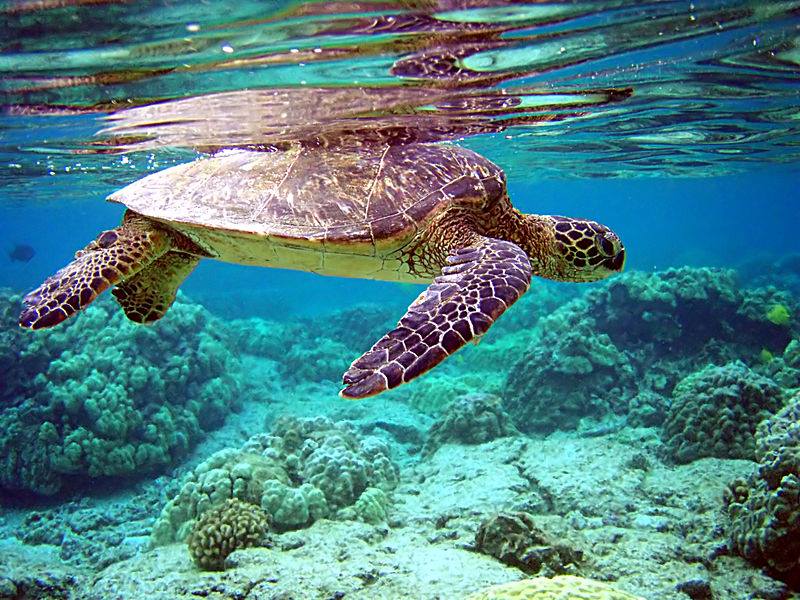
Con Dao is a paradise for nature lovers. The islands are home to a national park that protects a rich diversity of marine and terrestrial ecosystems. The waters around the islands are home to a variety of coral reefs, sea turtles, and dolphins. The islands are also a nesting ground for a number of sea turtle species, and you can watch the turtles lay their eggs on the beach at night.

Activities in Con Dao:
Diving and Snorkeling: The waters around Con Dao are home to some of the best diving and snorkeling in Vietnam. You can see a variety of coral reefs, fish, and other marine life.

Turtle Watching: Con Dao is a nesting ground for a number of sea turtle species. You can watch the turtles lay their eggs on the beach at night.
Hiking: There are a number of hiking trails in the Con Dao National Park. You can hike through the lush forests and enjoy stunning views of the islands.

Relaxing on the Beach: Con Dao is home to a number of beautiful beaches, including Dam Trau Beach and An Hai Beach.

The Flavors of Con Dao
Con Dao is a seafood lover’s paradise. The islands are home to a number of excellent seafood restaurants, where you can enjoy fresh, delicious seafood at a reasonable price. Here are some of the most popular dishes:
Oc Vu Nang: A type of sea snail that is a local delicacy.

Goi Ca Nhao: A salad made with raw fish, a specialty of Con Dao.

Seafood BBQ: Enjoy a delicious seafood BBQ on the beach, with fresh squid, shrimp, and fish.

Practical Information
Best time to visit: The best time to visit Con Dao is from March to September, when the weather is dry and sunny.
Getting there: You can fly to Con Dao from Ho Chi Minh City or Can Tho.
Getting around: The best way to get around Con Dao is by renting a motorbike or by taking a taxi.

Conclusion
Con Dao is a destination that will touch your heart and soul. It’s a place where you can learn about Vietnam’s history, appreciate its natural beauty, and relax on its pristine beaches. So come and discover the hidden gem of Con Dao for yourself.
Nestled in a picturesque valley in northern Vietnam, Mai Chau is a peaceful and idyllic destination that offers a welcome escape from the hustle and bustle of city life. With its stunning rice paddies, traditional stilt houses, and warm and friendly people, Mai Chau is the perfect place to relax, rejuvenate, and immerse yourself in the local culture. This guide will help you discover the best of what this beautiful valley has to offer.
A Valley of Tranquility
Mai Chau is a world away from the chaos of Hanoi. The valley is a patchwork of green and gold rice paddies, dotted with traditional stilt houses of the White Thai ethnic minority group. The air is fresh and clean, and the only sounds you’ll hear are the birds singing and the gentle rustle of the wind in the trees. It’s the perfect place to unwind and reconnect with nature.

Things to Do in Mai Chau
Cycling: The best way to explore the valley is by bicycle. You can rent a bike in the village and cycle through the rice paddies, visiting the local villages and meeting the friendly people.

Trekking: There are a number of trekking routes in Mai Chau, from easy walks to more challenging hikes. A trek will take you through the beautiful countryside and offer stunning views of the valley.

Homestay: For a truly authentic experience, stay in a homestay with a local family. You’ll get to eat traditional Thai food, learn about the local culture, and sleep in a traditional stilt house.

Traditional Dance Performance: In the evening, you can enjoy a traditional dance performance by the local people. The dances are a beautiful and colorful expression of the Thai culture.

The Flavors of Mai Chau
The food in Mai Chau is simple, fresh, and delicious. Here are some of the most popular dishes:
Com Lam: Sticky rice that is cooked in a bamboo tube.

Ga Nuong: Grilled chicken that is marinated in a variety of local spices.

Ca Suoi Nuong: Grilled stream fish, a local delicacy.

Practical Information
Best time to visit: The best time to visit Mai Chau is from March to May or from September to November, when the weather is dry and the rice paddies are at their most beautiful.
Getting there: Mai Chau is about a four-hour drive from Hanoi. You can take a bus or a private car from Hanoi to Mai Chau.
What to pack: Be sure to pack comfortable walking shoes, warm clothing for the evenings, and insect repellent.

Conclusion
Mai Chau is a destination that will soothe your soul and rejuvenate your spirit. It’s a place where you can slow down, relax, and appreciate the simple things in life. So come and experience the peace and tranquility of Mai Chau for yourself.
After you have submitted your Vietnam e-visa application, you will want to check its status to see if it has been approved. This guide will show you how to check your Vietnam e-visa status online.
What You Will Need
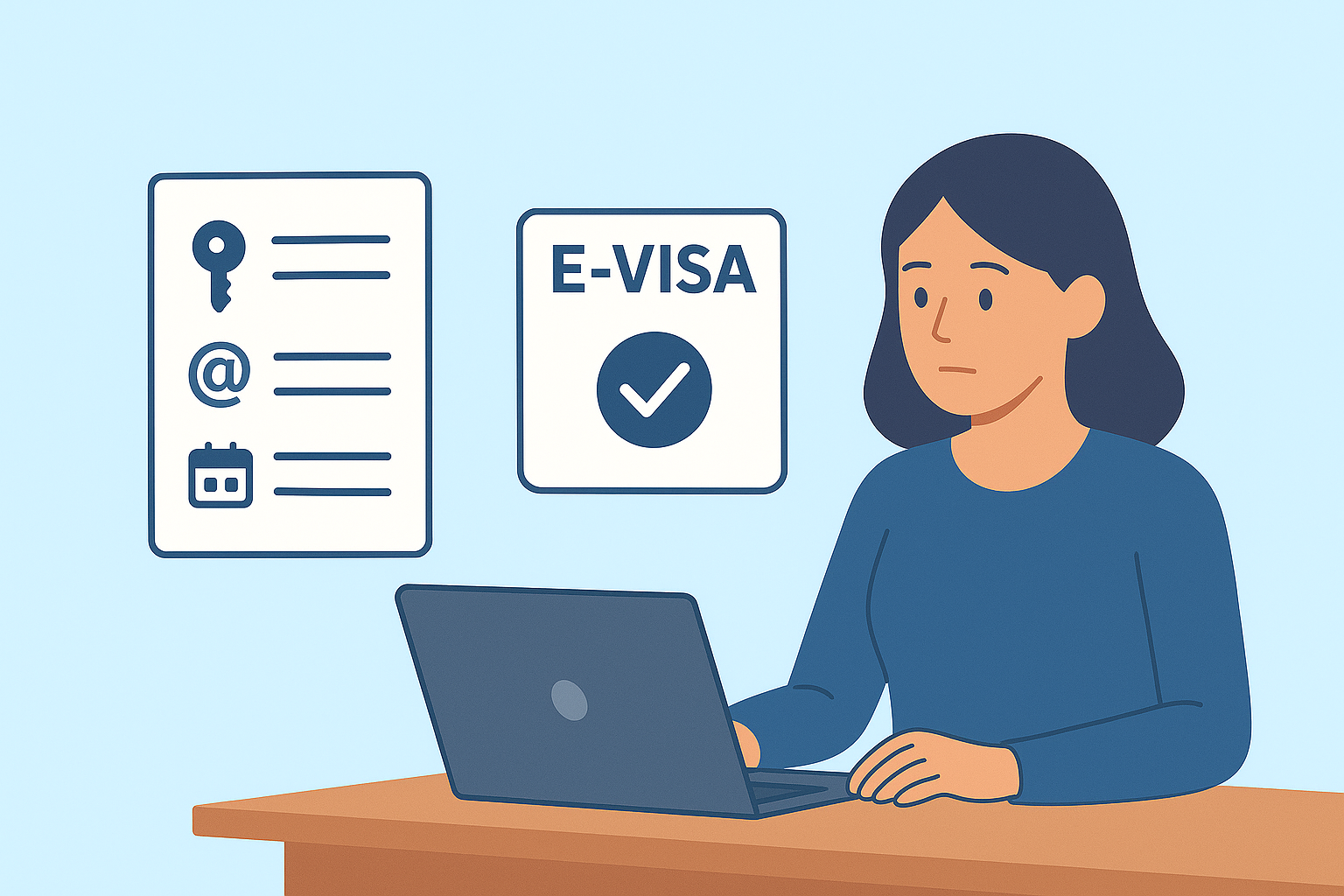
To check your e-visa status, you will need the following:
Your registration code (this is the code you received in your email after you submitted your application).
Your email address.
Your date of birth.
How to Check Your E-Visa Status
Go to the official Vietnam e-visa website: https://evisa.xuatnhapcanh.gov.vn/
Click on the “Search” tab.
Enter your registration code, email address, and date of birth.
Click on the “Search” button.

What the Status Means
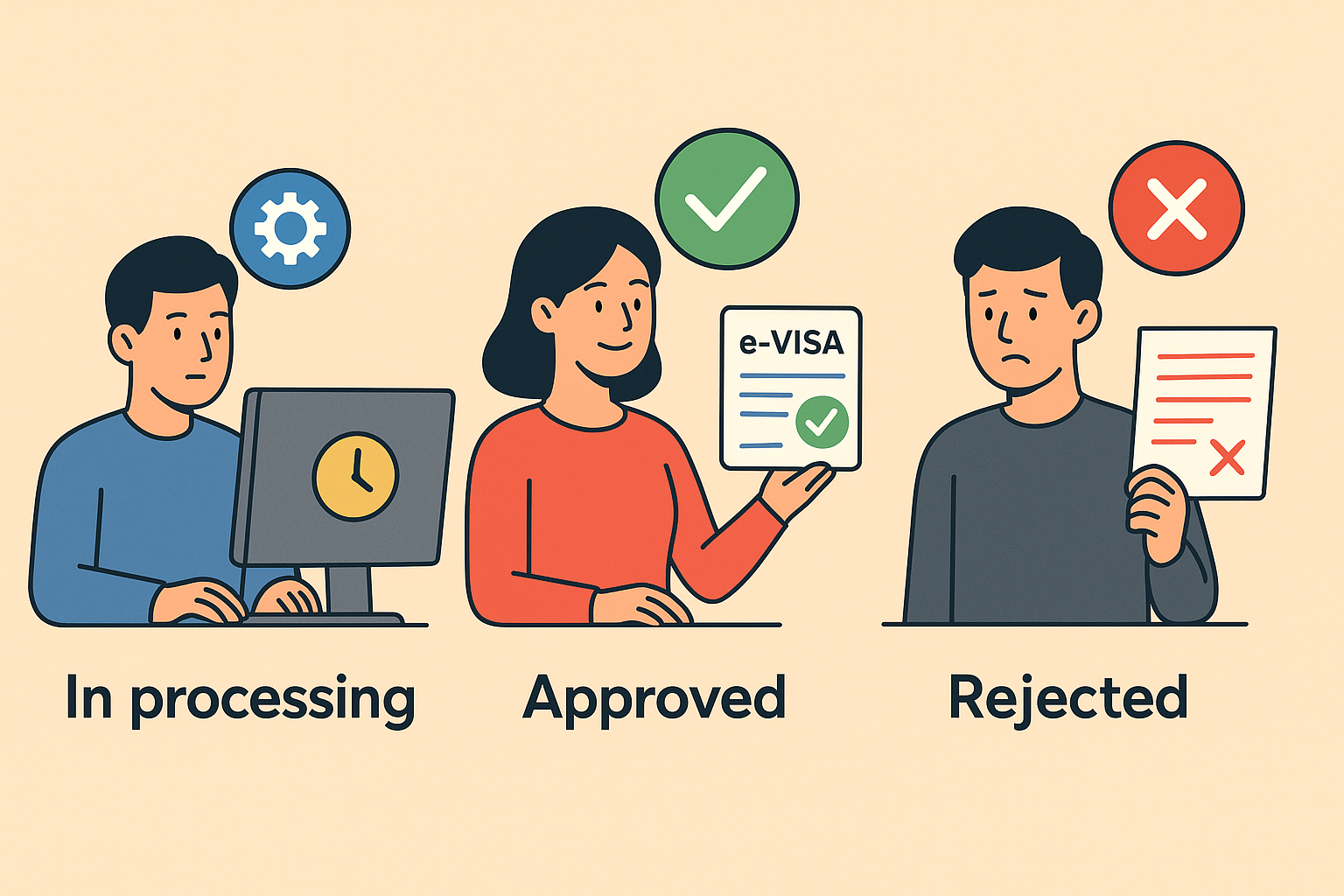
In processing: Your application is still being processed.
Approved: Your application has been approved and your e-visa has been issued.
Rejected: Your application has been rejected.
What to Do if Your E-Visa is Approved

If your e-visa is approved, you will be able to download it from the e-visa website. You should print out a copy of your e-visa and keep it with you when you travel to Vietnam.
What to Do if Your E-Visa is Rejected
If your e-visa is rejected, you will receive an email with the reason for the rejection. You can then correct the mistake and reapply for the e-visa.
Conclusion
By following these simple steps, you can easily check your Vietnam e-visa status and stay up-to-date on the progress of your application.ur Vietnam e-visa status and stay up-to-date on the progress of your application.
The Mekong Delta, a vast and fertile region in southern Vietnam, is a world of water, where life revolves around the mighty Mekong River. With its lush rice paddies, tropical fruit orchards, and bustling floating markets, the Mekong Delta offers a fascinating glimpse into a way of life that has remained unchanged for centuries. This guide will help you explore this unique and vibrant region.
The Rice Bowl of Vietnam
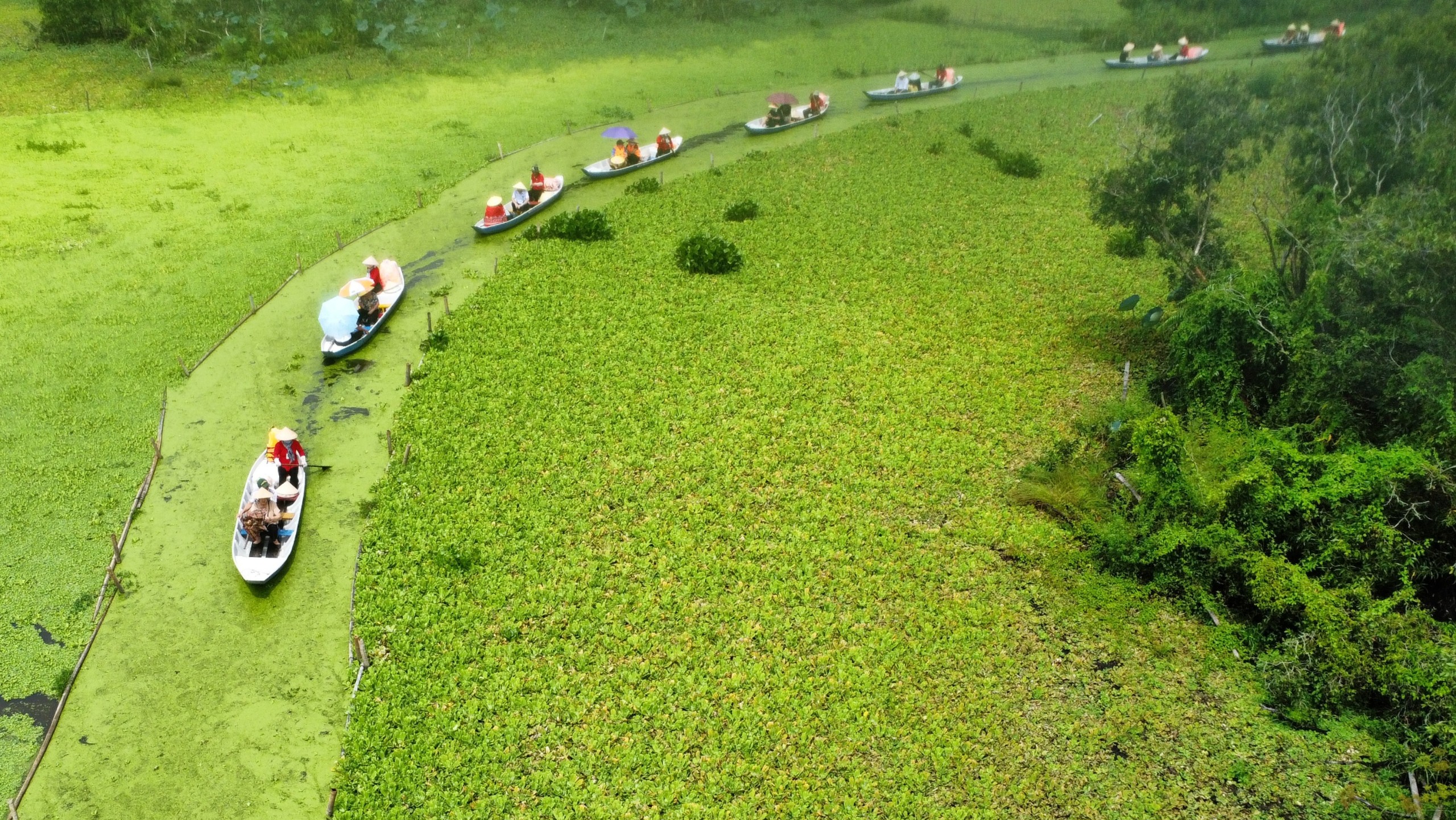
The Mekong Delta is known as the “rice bowl” of Vietnam, as it produces more than half of the country’s rice. The region is a maze of rivers, canals, and streams, and the best way to explore it is by boat. A boat trip will take you through the heart of the delta, where you can see the local people at work and play, and experience the region’s unique culture and traditions.
Things to Do in the Mekong Delta
Visit a Floating Market: The Mekong Delta is famous for its floating markets, where the local people buy and sell goods from their boats. The most famous floating markets are Cai Rang and Cai Be.

Explore a Fruit Orchard: The Mekong Delta is home to a wide variety of tropical fruits, including durian, rambutan, and mangosteen. Visit a fruit orchard to sample some of the region’s delicious fruits.

Take a Sampan Ride: A sampan is a traditional wooden boat that is used to navigate the narrow canals of the delta. A sampan ride is a great way to get up close and personal with the local way of life.

Visit a Coconut Candy Factory: The Mekong Delta is famous for its coconut candy. Visit a coconut candy factory to see how the candy is made and to sample some of the delicious treats.

The Flavors of the Delta
The Mekong Delta is a food lover’s paradise, with a wide range of local specialties to try. Here are some of the most popular dishes:
Hu Tieu My Tho: A noodle soup that is a specialty of the city of My Tho.

Banh Xeo: A crispy Vietnamese pancake filled with pork, shrimp, and bean sprouts.

Ca Tai Tuong Chien Xu: A deep-fried elephant ear fish, a local delicacy

Practical Information
Best time to visit: The best time to visit the Mekong Delta is during the dry season, from December to April.
Getting there: The Mekong Delta is about a two-hour drive from Ho Chi Minh City. You can take a bus or a private car from Ho Chi Minh City to the delta.
Day trips vs. overnight stays: You can visit the Mekong Delta on a day trip from Ho Chi Minh City, but an overnight stay is recommended to fully experience the region’s charm.
Conclusion
The Mekong Delta is a destination that will captivate you with its vibrant culture, beautiful scenery, and delicious food. It’s a place where you can slow down, relax, and immerse yourself in the unique way of life of the Vietnamese people. So come and explore the “river of life” for yourself.
Phong Nha-Ke Bang National Park, a UNESCO World Heritage site in central Vietnam, is a wonderland of caves, mountains, and rivers. Home to the world’s largest cave, Son Doong, as well as a host of other spectacular caves, Phong Nha-Ke Bang is a destination that will leave you in awe of the power and beauty of nature. This guide will help you explore this incredible underground world.
A Subterranean Paradise
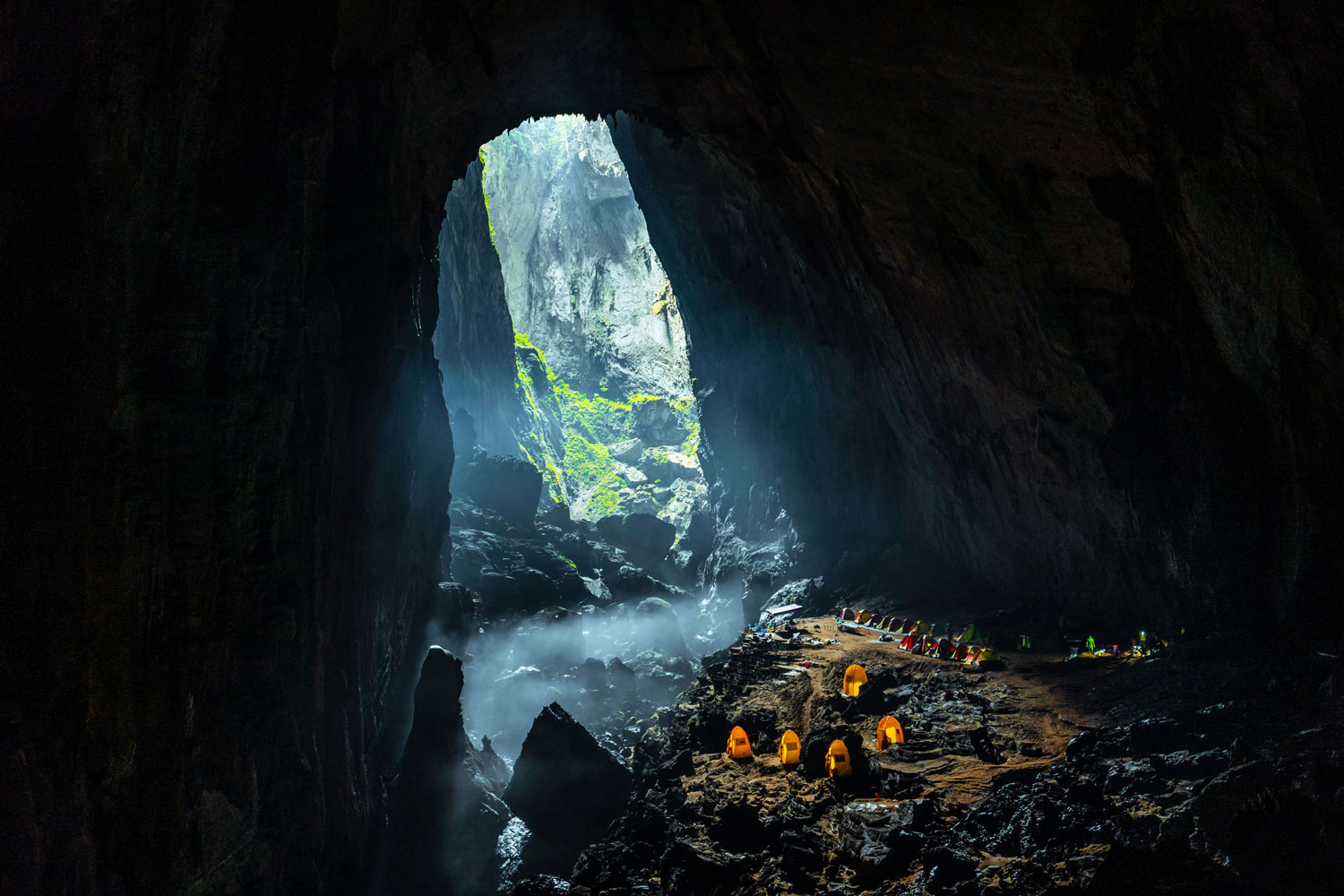
Phong Nha-Ke Bang is a vast and complex cave system, with over 300 caves and grottoes. The caves were formed over millions of years by the action of water on the limestone mountains, creating a subterranean paradise of stalactites, stalagmites, and underground rivers. The park is also home to a rich diversity of flora and fauna, including a number of rare and endangered species.

Exploring the Caves
There are a variety of ways to explore the caves of Phong Nha-Ke Bang, from easy boat trips to challenging multi-day expeditions. Here are some of the most popular caves:
Phong Nha Cave: The most famous cave in the park, which can be explored by boat. The boat will take you through the cave’s main chamber, which is over 7 kilometers long.

Paradise Cave: A spectacular cave with a wooden walkway that allows you to explore its stunning formations.

Dark Cave: An adventurous cave that can be explored by zip-lining, swimming, and kayaking.

Son Doong Cave: The world’s largest cave, which can only be explored on a multi-day expedition with a licensed tour operator.
What to Pack
Good walking shoes: You’ll be doing a lot of walking, so make sure you have a comfortable and sturdy pair of shoes.
Swimsuit: You’ll have the opportunity to swim in some of the caves.
Headlamp: This is essential for exploring the darker caves.
Insect repellent: There are mosquitoes and other insects in the park.
Best Time to Visit

The best time to visit Phong Nha-Ke Bang is from March to August, when the weather is dry and sunny. The rainy season, from September to February, can make some of the caves inaccessible.
Conclusion
Phong Nha-Ke Bang is a destination that will take your breath away. Its spectacular caves, beautiful scenery, and rich biodiversity make it a must-see for any nature lover. So come and explore the underground world of Phong Nha-Ke Bang for yourself.